

When a pedestrian is struck by a vehicle, everyone hopes the worst is over once the ambulance leaves and the first surgery is complete. But serious injuries don't always follow a straight path to recovery.
A recent Oakland pedestrian accident illustrates that point. A teenager was legally crossing the street on her way to catch the bus to school when a distracted driver struck her. She underwent surgery for a badly fractured ankle, but her recovery never unfolded the way anyone expected.
A Morning Walk to School Took an Unexpected Turn
The pedestrian accident happened on what should have been an ordinary weekday morning in Oakland. The 17-year-old was crossing in a marked crosswalk with the pedestrian signal in her favor when a distracted driver ran a red light and struck her.
She suffered a severe fracture to her ankle and underwent surgery shortly afterward. Like many families after a serious accident, the focus was on healing and getting back to normal as quickly as possible. Instead, her recovery became a long and frustrating process.
Months passed, then years. She underwent additional treatment, but the pain never fully subsided. Much of what should’ve been a typical high school experience was spent on crutches, in a wheelchair, or walking with a cane. The physical challenges were difficult enough, but they also affected everyday life in ways that aren't reflected in medical records. She later shared that she had even been bullied because of her visible disability.
By the time she came to our office, she was 19 years old and still searching for answers.
When Healing Didn't Happen as Expected
Orthopedic injuries don't always follow a predictable course. Some fractures heal as expected after surgery. Others continue causing pain long after doctors believe the bone should’ve recovered. When that happens, it's often a sign that something deserves another look. That proved to be the case here.
Additional imaging and evaluation by specialists revealed that the fracture had never completely healed. Instead, she had developed what is known as a nonunion, meaning the broken bone had failed to fuse properly despite the passage of time.
The diagnosis explained why she continued struggling years after the collision. It also meant she needed another operation.
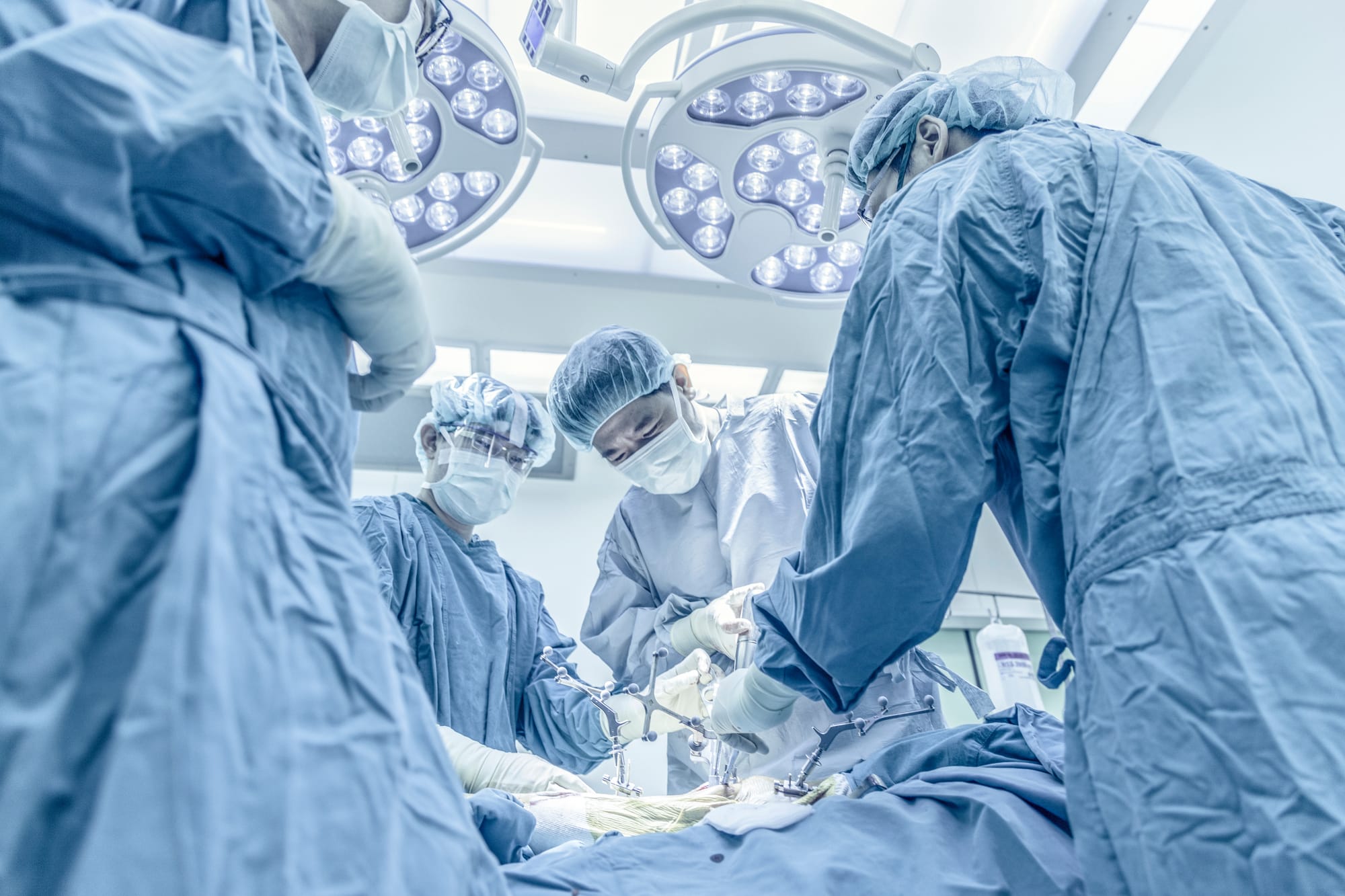
Surgeons ultimately had to intentionally re-break the ankle and reconstruct it with surgical hardware to give the bone another opportunity to heal correctly. It was a far more extensive procedure than anyone anticipated immediately after the crash, but it finally addressed the underlying problem that had been causing her continued pain.
Why Some Pedestrian Injuries Take Time to Fully Understand
Cases involving serious injuries don't always become clearer with time. Sometimes they become more complicated. An accident may be over in seconds, but the medical consequences can continue unfolding for months or years. Additional surgeries, unexpected complications, or delayed diagnoses can change not only a person's treatment, but also their long-term prognosis. That's one reason it's so important to understand the full extent of an injury before a personal injury claim is resolved.
In this case, our investigation involved far more than documenting how the collision occurred. We examined the intersection, documented the crosswalk and surrounding conditions, and worked with experts to establish how the crash happened. Just as important, however, was ensuring the medical evidence accurately reflected what the young woman was still experiencing years later, rather than assuming the first surgery had solved the problem.
The additional medical evaluation ultimately provided a much clearer picture of both her condition and the care she would need moving forward.
Looking Beyond the Crash
The case ultimately resolved for the driver's $1.25 million insurance policy limits. Because the injured pedestrian was still very young, part of the recovery was structured to help provide long-term financial security while also allowing her to pursue college and other goals as she continued rebuilding her life.
Cases are often remembered by their settlement amounts or verdicts, and those numbers certainly matter. They can provide access to needed medical care and financial stability after a life-changing injury. But they rarely tell the whole story.
The moment I remember most didn't involve settlement papers. It came when she last walked into our office. The young woman who had once relied on a cane came through the door on her own. After years of surgeries, setbacks, and uncertainty, she wasn't simply recovering from a broken ankle. She was finally able to move forward with the life that had been interrupted in that Oakland crosswalk years earlier.
If you or someone you love has been seriously injured in a California pedestrian accident, it may be worth speaking with an attorney before assuming you've reached the end of the medical story. Some injuries become clearer only with time, and understanding their full impact can make an important difference.
Claude Wyle has represented people seriously injured in accidents throughout the Bay Area for decades, including pedestrians, bicyclists, motorists, and their families. If you have questions about a pedestrian accident, you can call Choulos, Choulos & Wyle at (415) 432-7290 or contact the firm online to discuss your situation.
Frequently Asked Questions
Why wouldn't doctors know right away that a fracture hadn't healed?
A fracture may initially appear to be healing normally, especially after surgery. If pain, swelling, or difficulty walking continues long after recovery is expected, doctors may recommend additional imaging or evaluation by another specialist. In some cases, those later tests reveal complications, such as a nonunion, that weren't apparent earlier.
Can a pedestrian injury claim change if new medical problems are discovered later?
Yes. Serious injuries sometimes evolve over time. If additional surgeries become necessary or new medical findings reveal that an injury is more severe than originally believed, those developments may affect the value of a personal injury claim. That's one reason many attorneys recommend, whenever possible, understanding the full extent of an injury before resolving a case.
What does it mean when a case settles for the driver's policy limits?
Every auto insurance policy has a maximum amount the insurer will pay on behalf of its policyholder. A policy limits settlement means the insurance company agreed to pay that maximum amount. Whether additional compensation may be available depends on the specific circumstances of the case, including other potentially responsible parties or available insurance coverage.
Why do some injury settlements include structured payments instead of a lump sum?
A structured settlement allows some or all of the recovery to be paid over time rather than all at once. For younger injury victims, this approach can provide long-term financial stability while helping pay for future education, housing, medical needs, or other major life expenses. The right choice depends on each person's goals and financial circumstances.
Why do attorneys investigate the intersection after a pedestrian crash?
The scene of a pedestrian accident often provides evidence that isn't fully captured in a police report. Examining crosswalk markings, traffic signals, visibility, and the surrounding roadway can help experts reconstruct how the collision occurred and determine whether the driver failed to yield or obey traffic laws.
How do attorneys know when it's the right time to settle a serious injury case?
There's no single timeline that applies to every case. In many serious injury claims, attorneys work with medical providers to understand whether an injured person's condition has stabilized and whether future treatment is reasonably known. Settling too early may make it difficult to account for complications or procedures that weren't anticipated immediately after the accident.


